1. What Are We Protecting?
2. The Benefits of Hybridization
3. The Fears of Hybridization
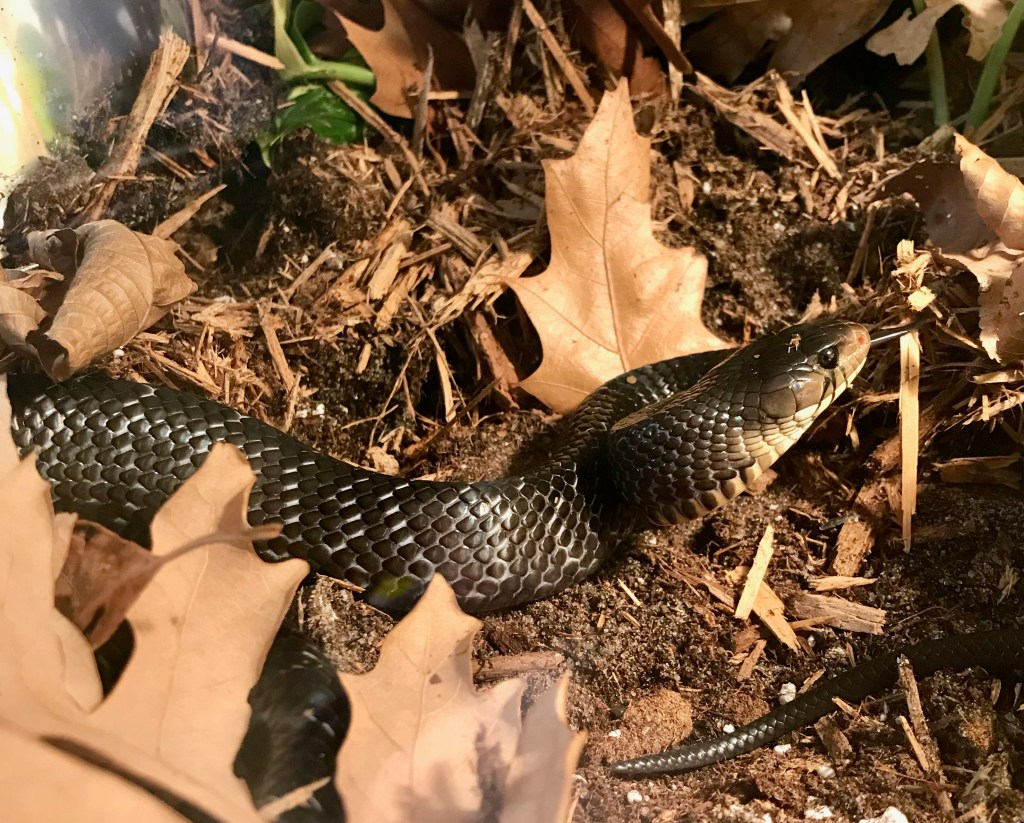
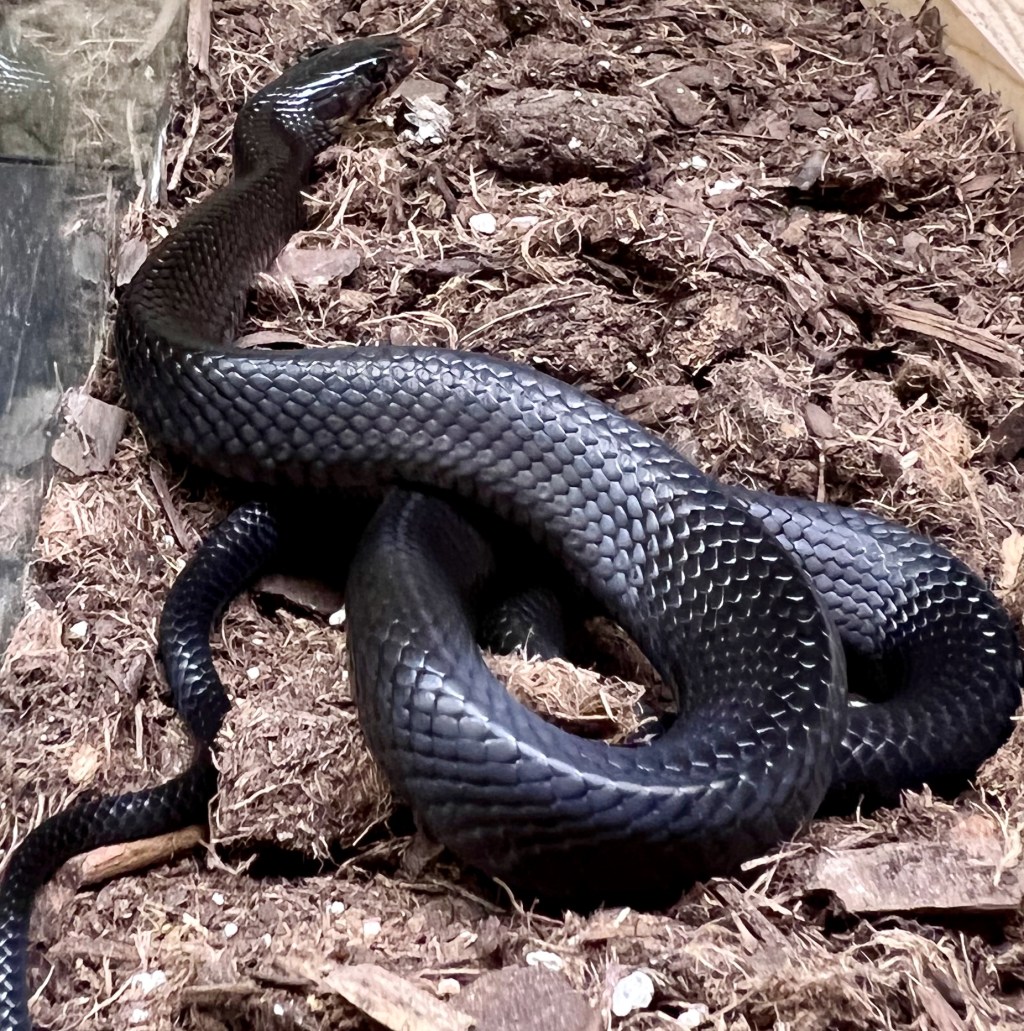
There is a lot of concern over my plan to produce hybrids from Eastern indigo snakes (Drymarchon couperi) X Texas indigo snakes (Drymarchon melanurus erebennus). I want to explain why it’s a good idea to do so and alleviate some of the concerns that people have expressed.
First, it has to be noted that a good deal of the concern over this hybridization plan comes from those who currently breed Eastern indigo snakes and are simply afraid of losing sales. And some of these guys are quick to misinform inexperienced acolytes with unlikely scenarios who then go forth and spread their gospel.
Second, for those who have accused me of selfish motives, I want to publicly state that every penny earned from this project will be donated to The Nature Conservancy’s Eastern Indigo habitat restoration project in the Florida panhandle. And that will continue for as long as I’m alive. Buying one of my hybrid offspring will be a direct 100% donation to Eastern indigo conservation!
But even ignoring the yahoos, legitimate concerns can still be expressed over this hybridization plan, and thats what I want to address here.
What Are We Protecting?
It’s important to understand that DNA analysis has been done on hundreds of eastern indigos in both the US and Europe. This work was initiated and paid for by a particularly passionate keeper on the East Coast with the initials AB. (I never know whether he is OK with my mentioning him, but most long time keepers of Drymarchon know hs work well.)
What this analysis has shown is that the eastern indigo snakes currently in captivity are indeed seriously inbred. In fact, very many of the snakes in the US and Europe descend from Robert Bruce’s less than admirable efforts. Mr. Bruce is probably the largest producer of Eastern indigos in the world and has openly advocated inbreeding D. couperi for decades. He is also known for the deplorable way he keeps his animals – but I digress.
So just to start the conversation we have to ask ourselves what is it we are trying to protect when we object to the hybridization of the eastern indigo snake? Is there any merit in protecting the inbred genetics of the current Easterns in captivity? What is the point of keeping “pure” the cluster fuck of genetics that we have in the captive gene pool today? What purpose would that serve?
None what-so-ever? Im glad we agree.
In fact, the vast majority of producers to date have shown zero interest in protecting the wild-type genetics that existed in the captive population back in the 70s when new blood was first cut off by laws protecting wild populations. So why is it suddenly important to “protect” the genetics that most of today’s producers were instrumental in mucking up in the first place? Seems a bit hypocritical, doesn’t it?
The Benefits of Hybridization
When you think of it, how uncool is it to continue to breed a species that you know is being destroyed by inbreeding? Isn’t there something at least negligent, if not down right cruel, about producing more baby eastern indigo snakes knowing that the vast majority of them will end up in hands of keepers who will not care at all about the genetic problems the captive population faces?
I think thats the real problem. Not the fact that someone is trying to relieve the genetic stress on the captive species through hybridization, but that so many have recklessly disregarded their contribution to it!
Whether producing hybrids of these species is good or bad depends only on the readers understanding of the problem and the potential solutions. The simple, unavoidable truth is that genetic inbreeding will continue to deteriorate the health, life expectancy, hatchling morbidity, and morphology of eastern indigos. We can debate what traits are actual evidence of inbreeding, but the fact remains that inbreeding destroys genetic viability over time. What is less well understood is that at some point, there simply isn’t enough genetic diversity left in a population to recover the species. There is educated speculation that the captive population of easterns has passed this point of no return.
But what if it hasn’t? What if it were theoretically possible to save it? If recovery were still possible it would take a big effort! Existing captive snakes globally would have to be located, documented, have their DNA analyzed and have that data entered into a global database.
Then breeders would have to agree to forgo breeding their snakes if they proved to be closely related. Others would have to agree to swap out their snakes with other breeders. The DNA of offspring would then have to be analyzed and the babies redistributed to others depending on their relatedness. And the process would have to continue for many generations and never allowed to reverse.
Needless to say, this aint happening. There is already *very* little concern over the inbreeding problem. I sold a group of hatchlings last year and only one of the buyers even asked about genetics. The big producers make little or no attempt to restrict sales to people who they suspect may inbreed the snakes. In fact some of the biggest breeders are happy to sell you siblings, knowing full well they will be bred in 3 or 4 years down the road.
Clearly the “pie in the sky” solutions for recovering the captive population are delusional. We can dismiss them.
So the benefit of hybridization is that it would infuse the eastern indigo captive population with the fresh genetics that we otherwise do not have access to. It would pull the captive population back from the edge of the DNA cliff. Hybridization has the potential to create big, healthy indigos of a range of colors and personalities. With time they could be very similar to easterns in every way. Or they could exhibit the best of the Texas animals.
As an aside, it should be noted too that hybridizations between Easterns and Texas snakes and other subspecies of Drymarchon have already taken place and has been successful. We have D. m. melanurus and D. corais hybrids for example. And D. couperi and D. m. rubidus hybrids. And of course we have the “accidental” Texas and Eastern hybrids. All of these already exist. The hybridization train has left the station.
The Fears of Hybridization
Other than the hysteria promulgated by those Eastern indigo producers who stand to lose market share, there are some real concerns that have been voiced that deserve a response.
The biggest one is the potential for mistaken identity. How will people know they are getting a “pure” eastern indigo rather than a hybrid? Wont adding more hybrids increase the potential for mistakes or fraud?
Well, remember that today you really dont know if you are getting a pure Eastern or not either. One of the most respected distributors of indigos has been accidentally selling hybrids, for example. Buyers who ended up with those babies will surely breed them – and offspring may well go on the market as pure easterns. One buyer even promotes his snake as unrelated to others in the hobby because its DNA analysis shows it shares less DNA than most others! Instead of admitting he has a hybrid, he’s promoting it as an asset!
Hybrids exist in Asia and its safe to assume their offspring will make their way back to the states soon enough – properly described or not. The albinos in Europe will present yet another challenge.
So how much better to have a legitimate hybrid market, where keepers would not be embarrassed to offer their animals for sale? Legitimizing hybrid production will serve to reduce the likelihood of fraud or mistaken identity. It is an important point that people seem to miss.
The truth is, hybrid Easterns are likely to retain morphological traits from their Texas ancestry for many generations. But what if they dont? What if an eastern hybrid looks so much like a wild type that it is indistinguishable? Then so what? What is the problem here? That the captive eastern genetics will be messed up? I hope the reader sees by now that that fear is unfounded. There is simply no such thing as a pure eastern indigo in the hobby today. The genes are already completely corrupted thru selective breeding and inbreeding. There is no “pure” left to worry about!
Second, there will always be breeders who pride themselves in maintaining pure Eastern indigos, and pure Texas indigos. That’s the way our hobby works. Just like there are breeders who are careful to produce the locality king snakes I recently bought. So anyone who insists on enduring the federal permitting process for a pure animal will be free to do so. The act of producing hybrids does not cause the extinction of the pure stock.
The final concern is about conservation and the release of hybrids into the wild. As most of you know, the conservation of the species relies in no way on the captive population currently in hobbyists hands. Professionals are very well aware of how badly we have screwed up this captive population, and they would never, ever, *ever* use a snake from the hobby to produce offspring destined to be released.
And as for the accidental release of hybrids, the exact same threat exists from pure Texas indigos and pure Eastern indigos. Releasing a hybrid Texas indigo into the Eastern indigo range would be less harmful than releasing a pure Texas snake. So hybrids would actually diminish this threat. Although I have to say, it’s a very small threat to begin with. The idea that someone would take a valuable Texas indigo and release it into the Eastern range is just highly unlikely. It doe not amount to a legitimate concern.
 Herpetoculture Inc
Leave a comment